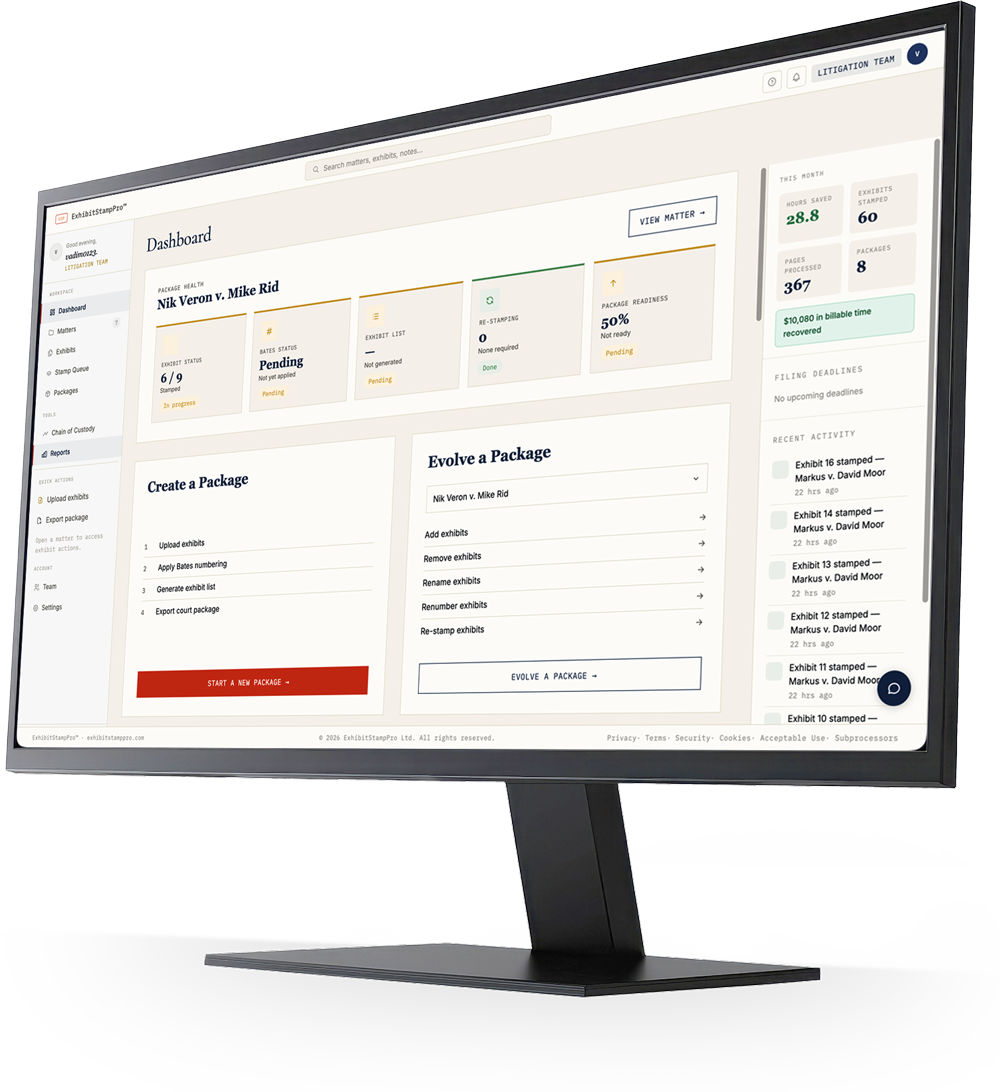
When litigation teams prepare deposition exhibits, trial exhibits, and court filing packages, every PDF page typically needs a consistent identifier — an exhibit label, Bates-style number, or electronic exhibit sticker applied in the court's required format. PDF exhibit stamping is the process of applying those professional mark-ups across an entire document set.
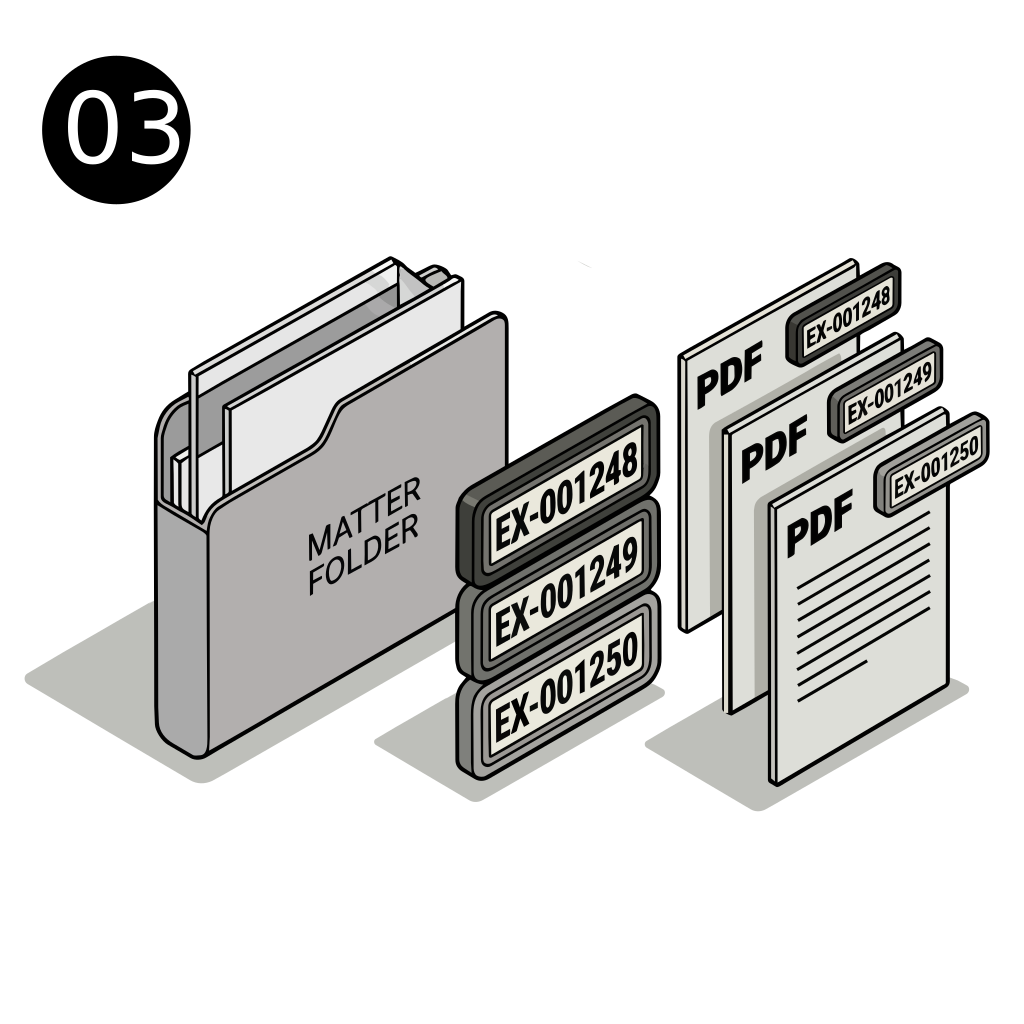
Exhibit numbering assigns sequential identifiers so judges, opposing counsel, and internal teams can reference documents precisely during hearings and written submissions. Exhibit labels communicate party designation, case number, and exhibit identity on each page — often as a bordered box on the first page with smaller continuation marks on subsequent pages.
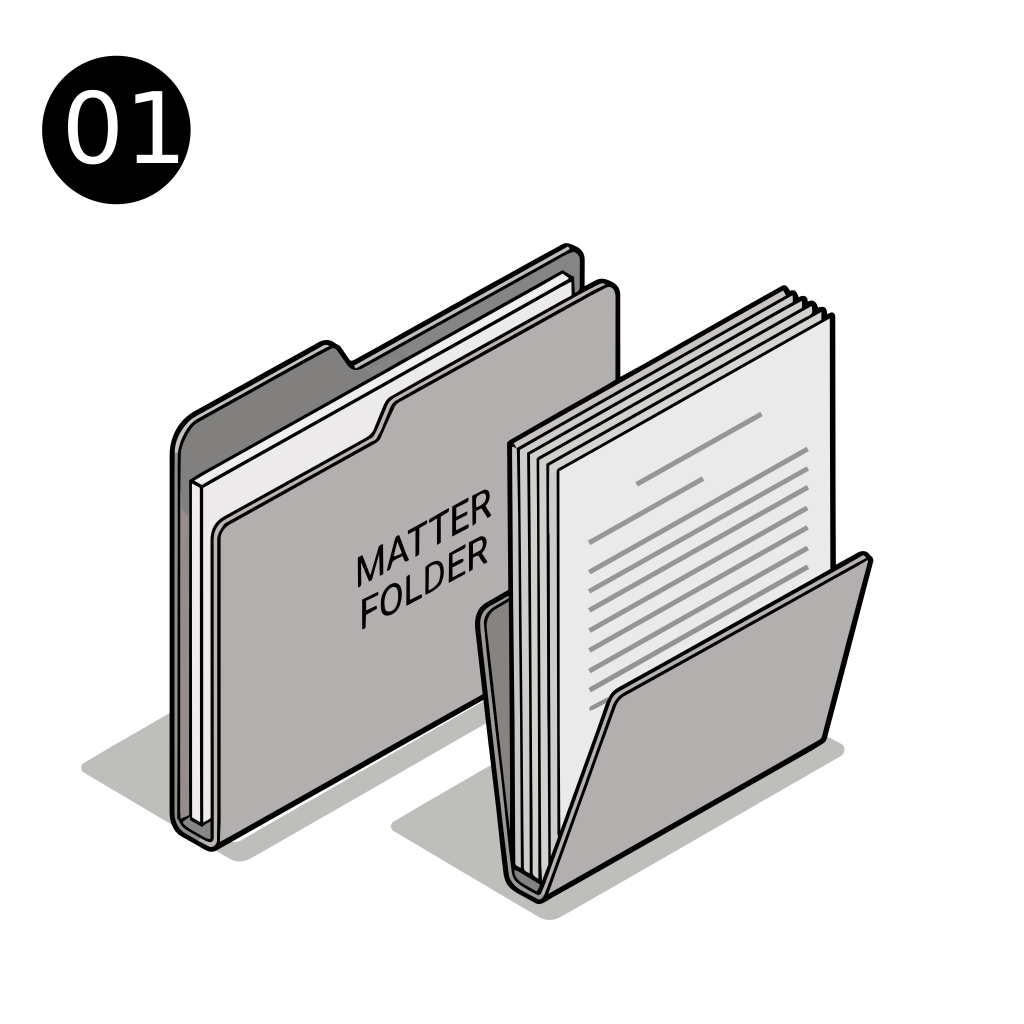
For decades, legal teams have handled this work manually: opening each PDF in desktop software, placing text boxes, copying formats, and checking local rules page by page. Deposition workflows and trial preparation cycles repeat the same steps hundreds of times per matter. One formatting change — a revised case number, a renumbered exhibit list — can force a full re-do.
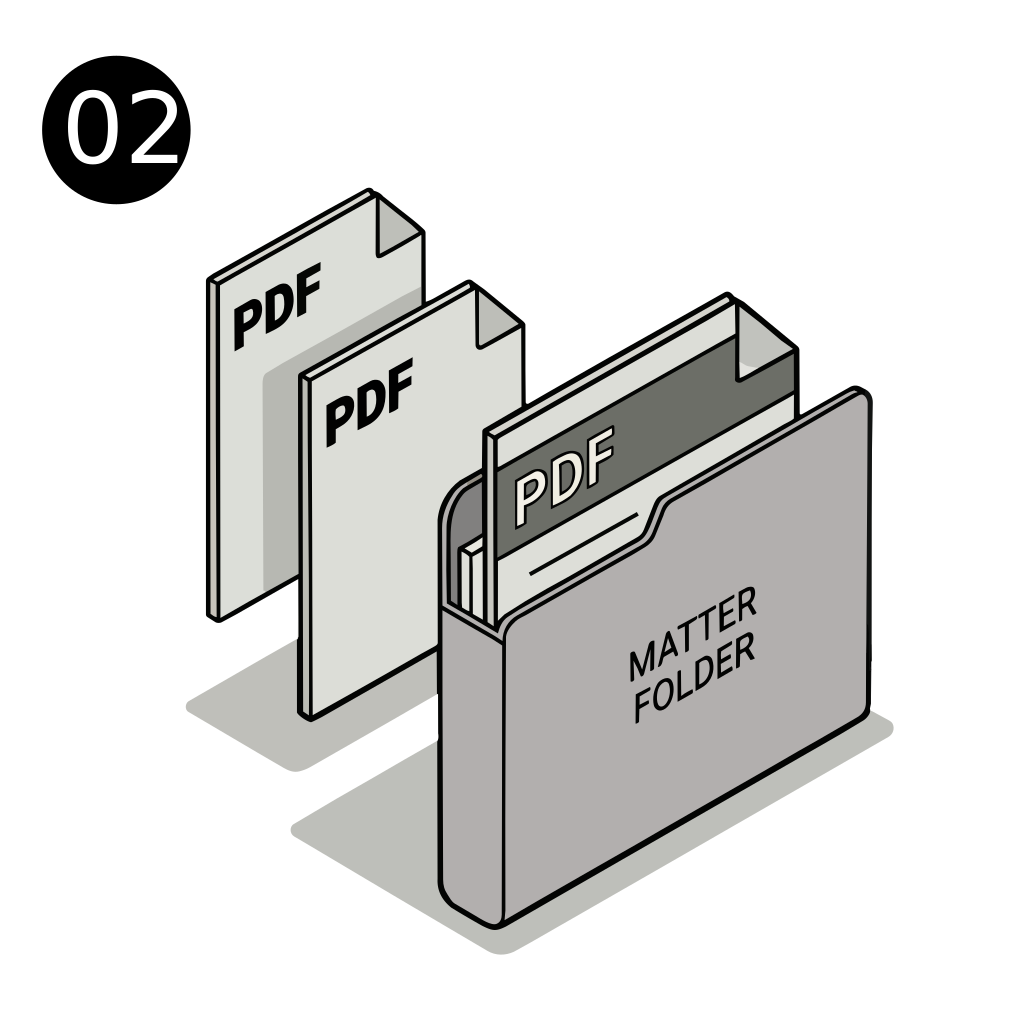
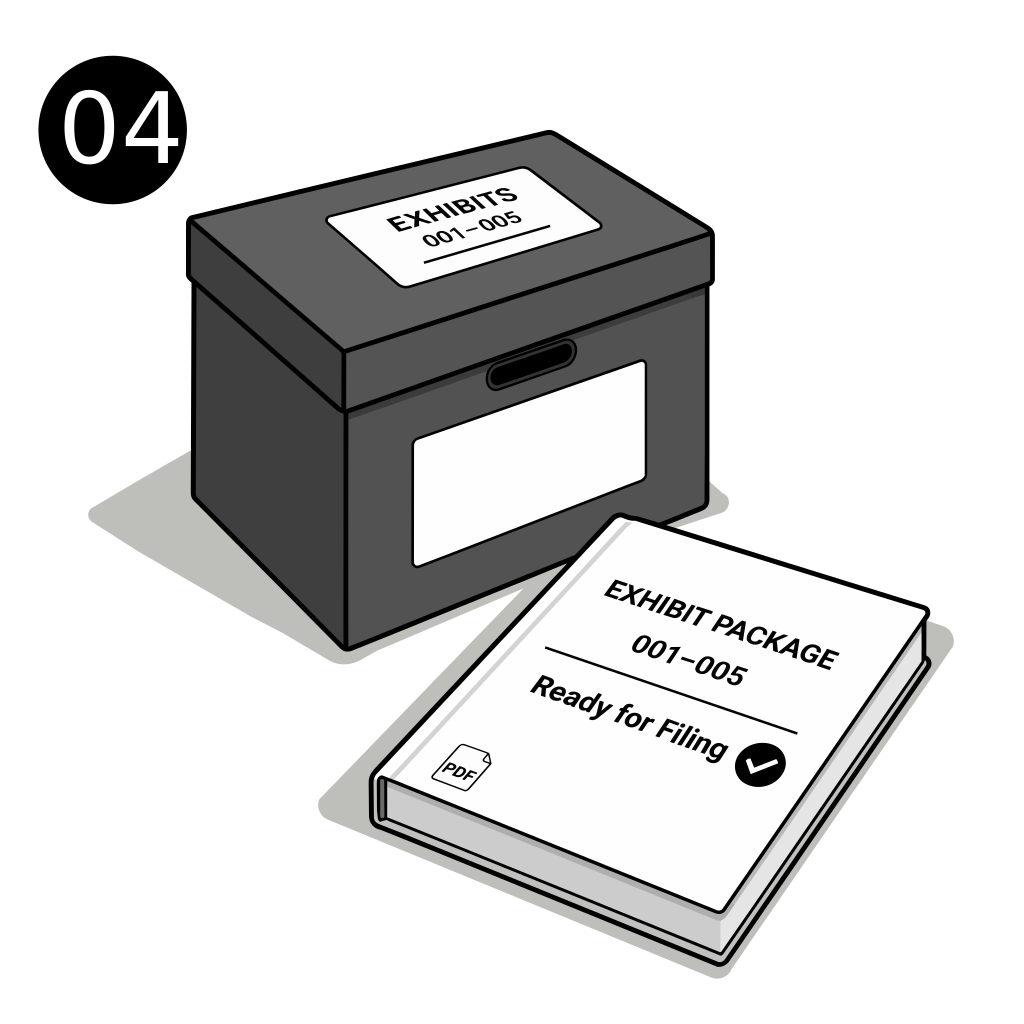
Exhibit preparation software automates that repetition. Upload source PDFs once, apply court-compliant stamps and numbering across the set in seconds, and export a filing-ready package without altering your originals. For litigation paralegals and trial attorneys managing high-volume document sets, that shift from manual editing to a structured legal PDF workflow is where hours of billable time are recovered — with consistent exhibit management, fewer manual errors, and a faster path from document review to court-ready PDFs.