Deposition timelines leave little room for manual mistakes
Deposition exhibit prep often happens under compressed timelines, with frequent updates from attorneys as strategy evolves. Teams must assemble clear, well-labeled document sets while accommodating late additions and sequence changes. Manual processes make these pivots difficult and increase the chance of inconsistent formatting or numbering.
When preparation is fragmented across tools, visibility suffers. Staff may not know which set is final, which file was most recently revised, or whether all exhibits were processed to the same standard. These gaps can surface at the worst possible time, right before witness prep or on the morning of testimony.
The operational burden is especially heavy when several witnesses are scheduled close together. Teams may duplicate effort across separate folders and ad hoc checklists, creating opportunities for mismatch. A unified process helps maintain control as deposition activity accelerates.
Deposition support teams also need fast turnaround without compromising professionalism. If formatting and sequence integrity are uncertain, attorneys may hesitate to rely on packet references during prep. That hesitation creates additional review cycles and reduces the time available for substantive witness strategy.
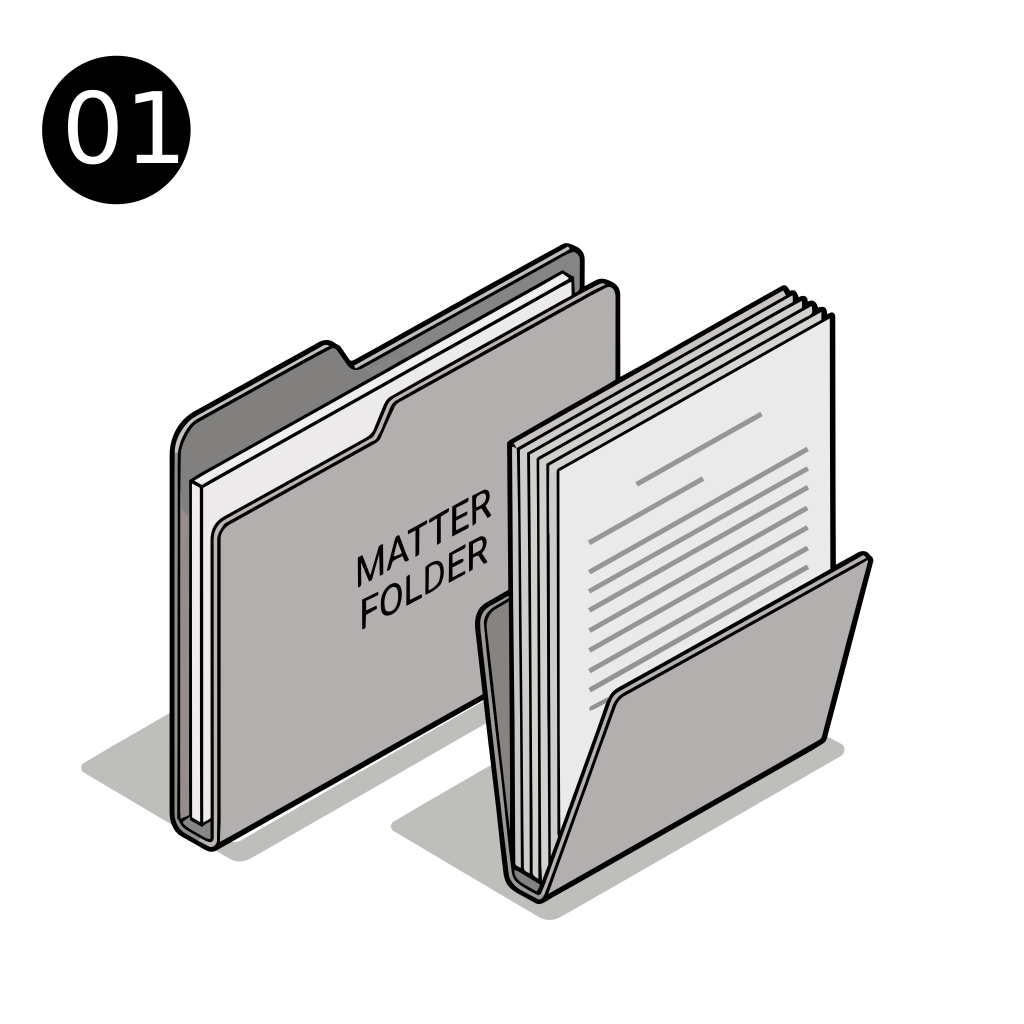
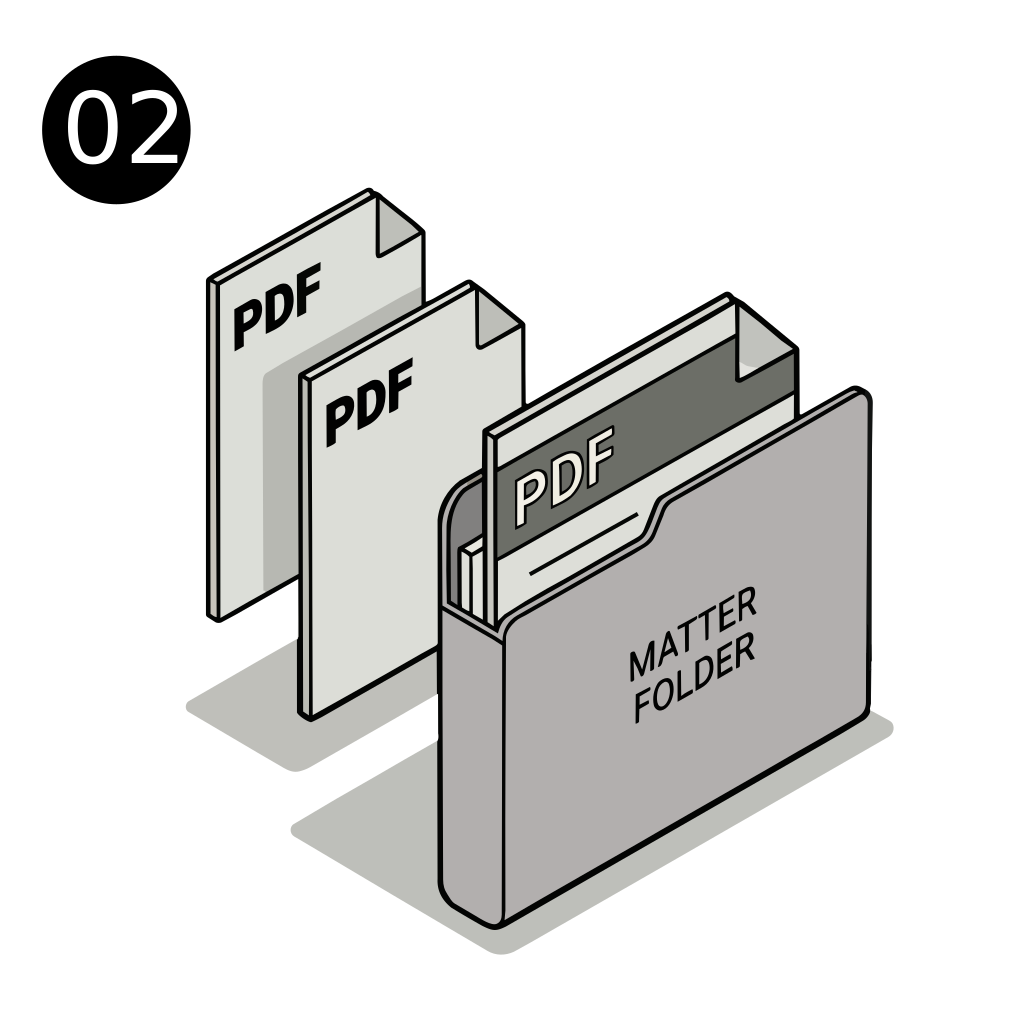
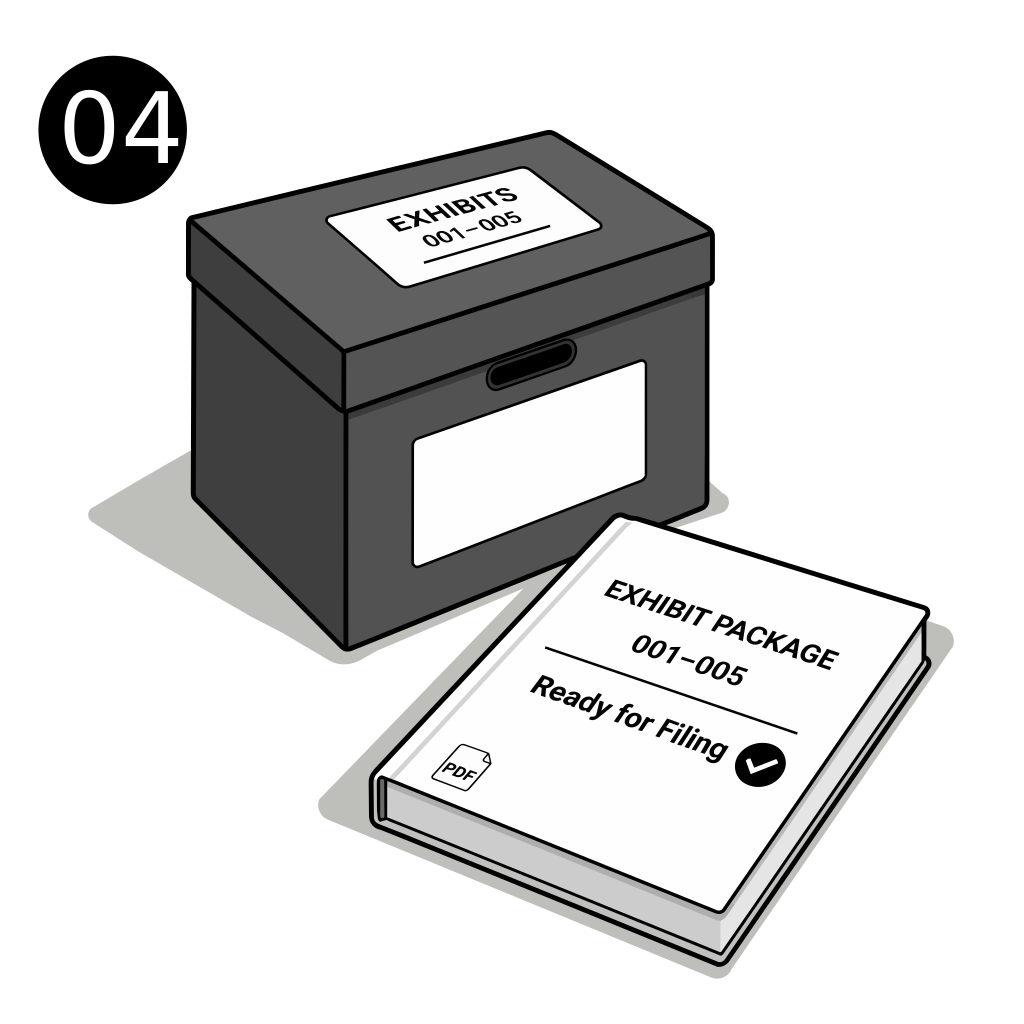
ESPro streamlines deposition prep from intake to final packet
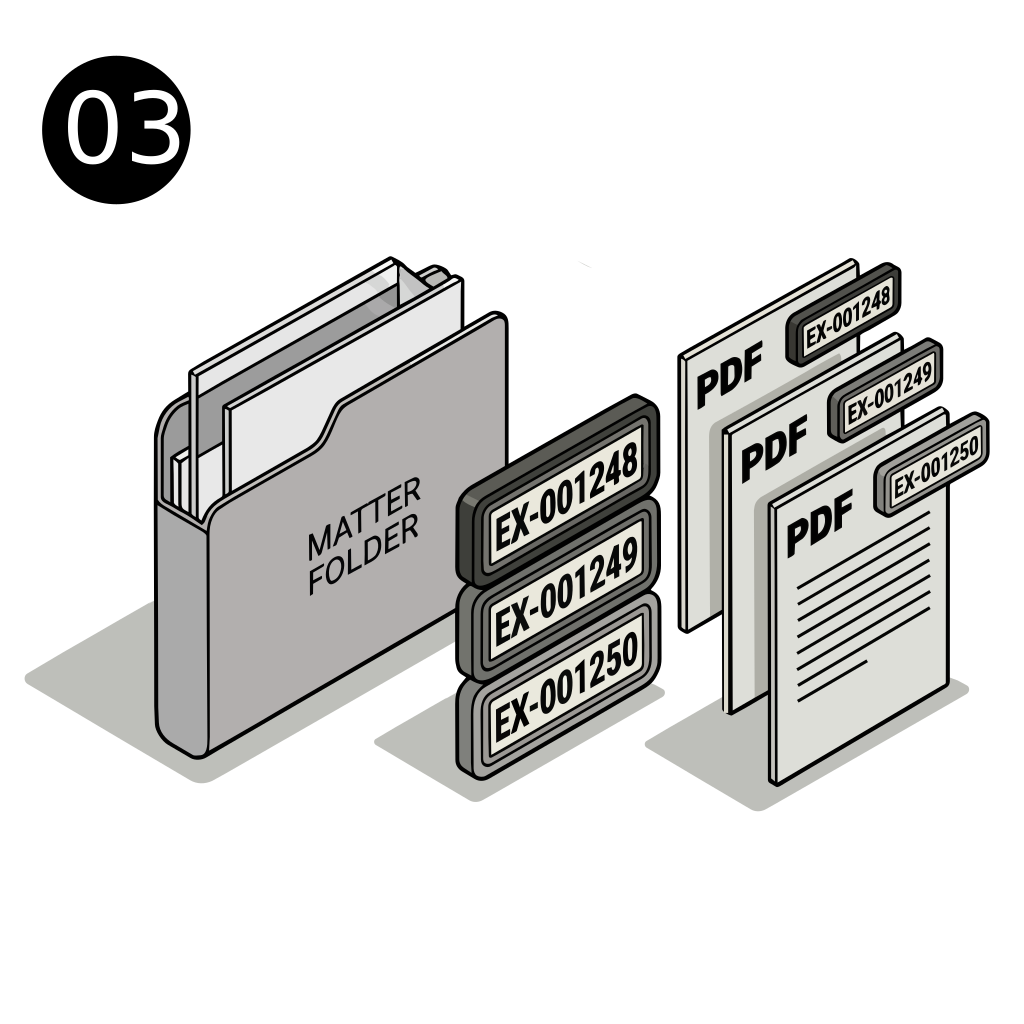
ESPro helps teams run deposition prep through one coordinated process. Documents are organized, labeled, and stamped using standardized rules that reduce reliance on individual memory. This consistency supports better collaboration between litigation support and attorneys throughout the preparation cycle.
Because repetitive tasks are automated, teams can respond faster to late-stage exhibit changes while preserving quality. ESPro keeps output more predictable, so deposition packets are easier to review, easier to update, and easier to deliver with confidence before deadlines.
The workflow also supports better communication about status. Teams can quickly identify which witness packets are ready, which sets are pending review, and which files changed after attorney feedback. This clarity is crucial when deposition prep runs in parallel across multiple custodians and topics. It also helps project managers sequence tasks more intelligently so high-priority witnesses receive completed packets first without compromising standards for the rest of the docket.
By reducing operational noise, ESPro gives attorneys more time for substantive witness preparation and strategic sequencing decisions. Teams spend less effort chasing formatting issues and more effort refining the evidentiary narrative that supports deposition objectives.
The operational reality of deposition prep
Deposition preparation is dynamic. Witness outlines change, document priorities shift, and exhibit sets expand unexpectedly. Teams need systems that absorb this variability without sacrificing consistency. Manual methods can keep up initially but become fragile when repeated revisions accumulate over a short period.
A structured workflow helps separate legal strategy decisions from production mechanics. Attorneys can focus on examination planning while support professionals manage exhibit preparation in a reliable pipeline. This division improves speed and reduces errors that come from rushed multitasking.
Strong process discipline also improves preparedness for mock runs and internal review sessions. Teams can generate updated packets quickly and ensure each version remains aligned with current strategy. That repeatability supports better collaboration before testimony day.
Building cleaner exhibit packets
A clean deposition packet has predictable numbering, readable labels, and organized sequence logic that aligns with witness preparation. When these elements are standardized, attorneys can navigate exhibits quickly and maintain momentum during testimony preparation.
Software-backed packet assembly makes quality more consistent across team members and matters. Instead of relying on informal personal templates, teams use shared standards that are easier to train, audit, and improve over time.
Consistent packet construction also makes it easier to compare exhibits across related witnesses. Attorneys can evaluate overlaps and distinctions without first resolving formatting inconsistencies. This saves time during preparation and supports tighter examination planning.
Handling late additions without chaos
Late exhibits are common and rarely optional. The challenge is inserting changes without breaking numbering continuity or introducing mixed formatting. Automated workflows allow teams to reprocess affected sets predictably, limiting the scope of manual corrections.
With controlled updates, support staff can communicate changes to counsel clearly and quickly. This creates better alignment before the deposition and reduces the chance that participants are working from conflicting versions.
A managed update process also creates cleaner records of what changed between packet versions. That visibility helps teams answer internal questions quickly and reduces confusion when deadlines leave little time for rework.
Supporting witness prep with reliable exhibit sets
Deposition outcomes are influenced by preparation quality, and exhibit clarity is a major part of that readiness. Reliable packet structure allows attorneys to rehearse questioning with confidence that references will match the final set used in testimony. This reduces tactical friction in high-pressure prep windows.
When witness teams receive consistent exhibit formatting, they spend less time deciphering documents and more time focusing on substantive issues. Support staff can deliver revisions faster because they are working inside a controlled process rather than a patchwork of manual edits.
Reliable sets also improve post-deposition follow-up. Teams can trace what was prepared, what changed, and what was ultimately used, creating stronger continuity for later motion practice or trial preparation. Process reliability at this stage pays dividends across the broader case timeline.
Deposition package review before use
Before exhibits are used in a deposition context, teams should verify that package structure and presentation align with matter requirements and attorney direction. Operational consistency is important, but final legal readiness requires deliberate review.
NOTE: Confirm applicable procedural and jurisdiction-specific requirements for deposition exhibits with qualified legal counsel. Use this legal-review checkpoint before final distribution or testimony use.
Including this check in the standard workflow keeps teams from treating compliance review as optional when schedules tighten. A predictable sign-off path helps ensure deposition materials are both operationally clean and legally vetted.
Benefits
Why teams choose ESPro
Faster deposition packet assembly under tight timelines
Consistent exhibit formatting across witness sets
Reduced last-minute renumbering and relabeling issues
Clearer internal handoffs for revisions and review
Better control over final deposition-ready versions
Yes. Teams can prepare and manage separate deposition sets while maintaining consistent labeling and numbering standards.
How does ESPro help with late exhibit changes?
You can rerun preparation steps through a controlled workflow so updates remain consistent without rebuilding every file manually.
Does this replace attorney review?
No. ESPro streamlines operational prep, while attorney teams retain control over strategic and legal review decisions.
Is deposition prep only for large firms?
No. Solo and mid-sized litigation teams also benefit from standardized workflows that reduce rework and deadline pressure.
Can we use ESPro for pre-deposition prep runs?
Yes. Many teams run iterative prep cycles, then finalize export packages once exhibit lists are confirmed.
Try ESPro in the research program
Join litigation teams testing automated exhibit stamping, numbering, and package export. 7-day sandbox access — help shape the product while improving your workflow.