Electronic exhibit stickers are now standard in many litigation workflows, yet teams often apply them through manual overlays. That approach can produce inconsistent spacing, mismatched fonts, and placement conflicts with document content. Over time, visual inconsistencies reduce confidence in the final package.
Manual sticker workflows are also hard to scale. As exhibit counts rise, teams spend disproportionate effort on repetitive editing and quality checks. Under deadline pressure, these tasks compete with higher-value legal support work and increase the likelihood of avoidable presentation defects.
The issue is not just aesthetics. Inconsistent stickers can slow attorney review because document identifiers are harder to spot and less predictable from file to file. A stable sticker standard helps teams preserve both clarity and pace.
For distributed teams, manual sticker work introduces additional inconsistency because contributors may use different local templates and placement habits. Those variations become difficult to reconcile as packet size grows. A standardized digital process keeps visual quality stable regardless of who prepares the files.
ESPro standardizes digital sticker workflows end-to-end
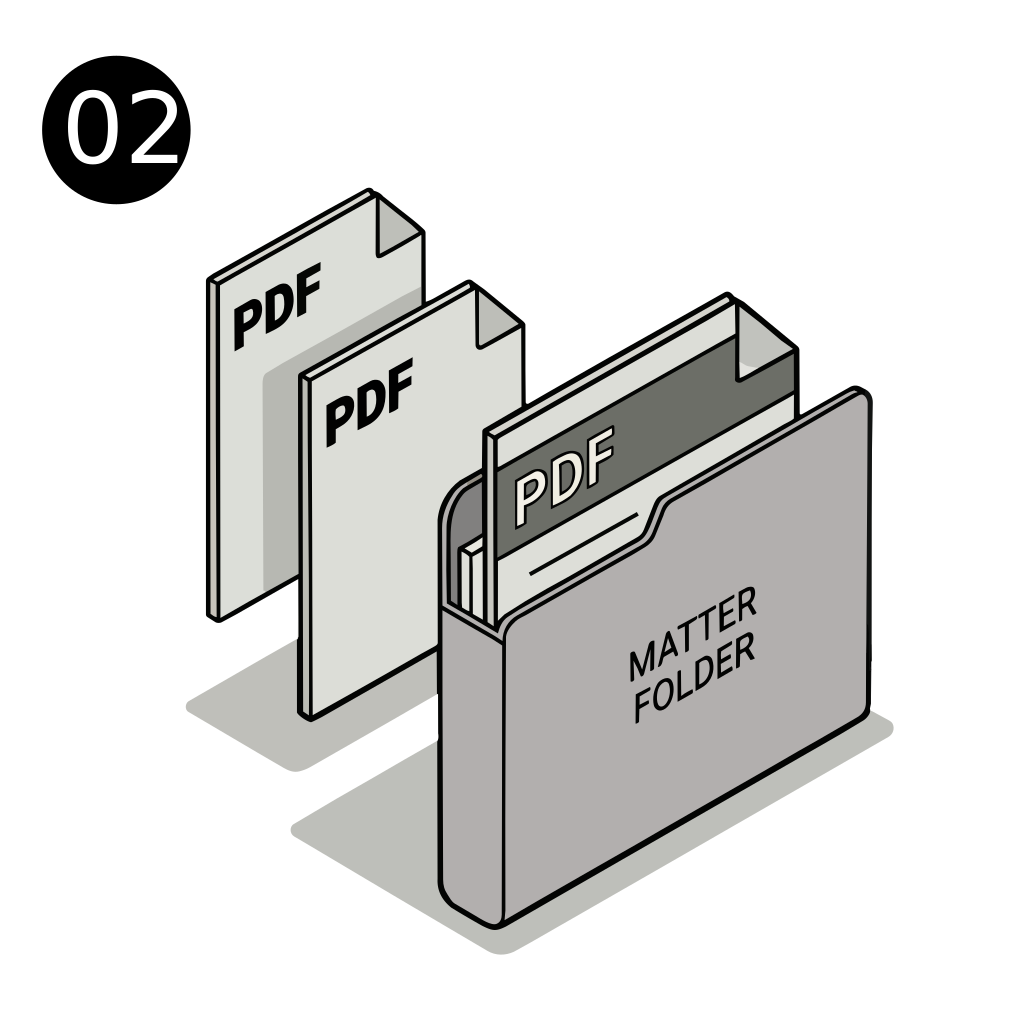
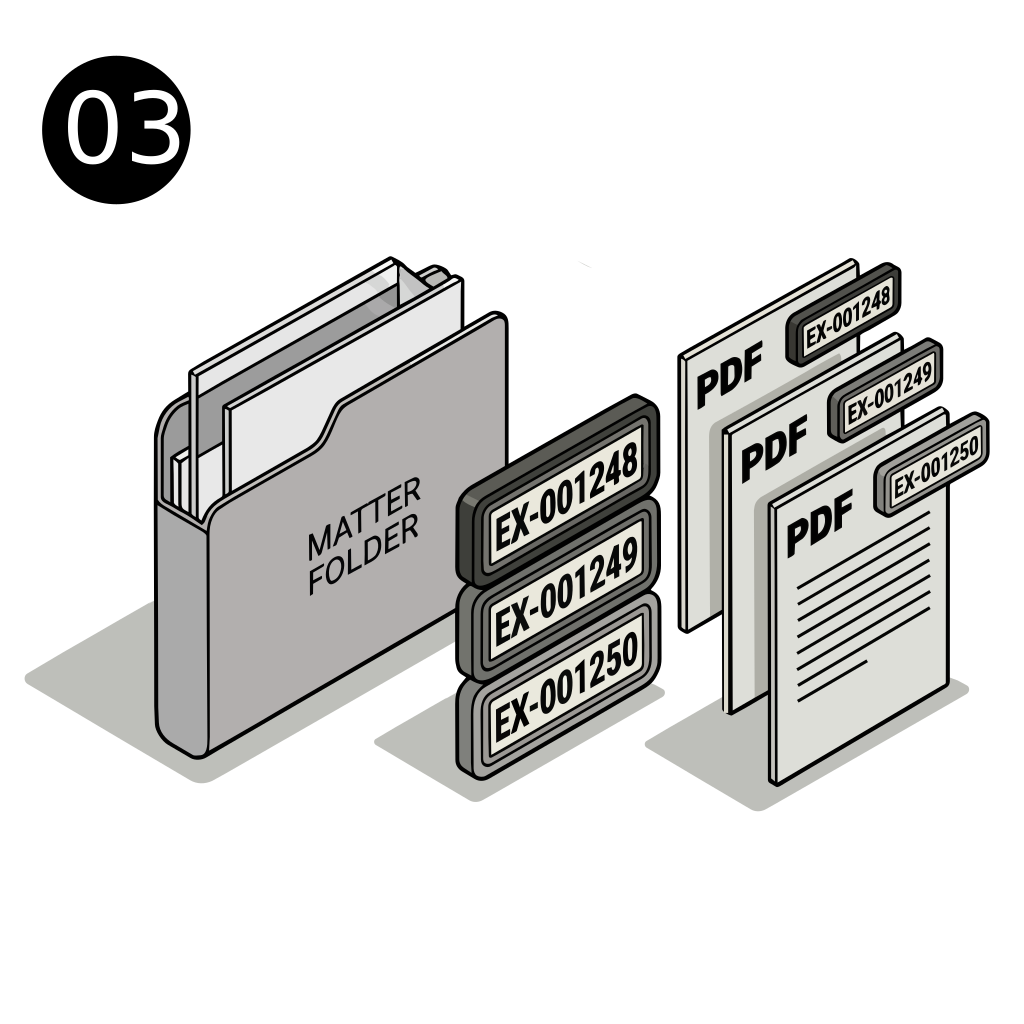
ESPro helps teams apply electronic exhibit stickers through a repeatable process that protects consistency across large collections. Sticker formatting and placement can be managed as shared standards, reducing variation between users and matters.
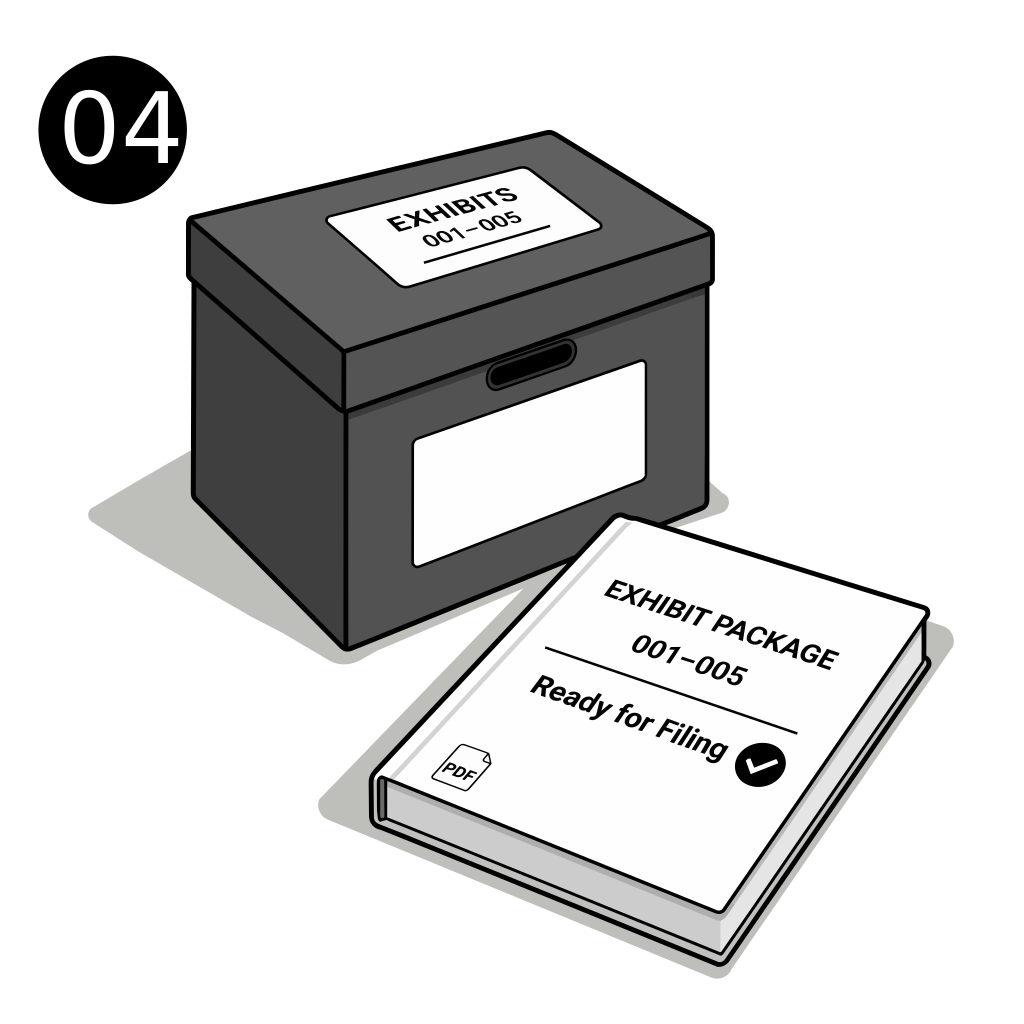
Because stickers are integrated with numbering and stamping workflows, teams avoid fragmented tools and duplicated effort. ESPro enables faster prep cycles while producing polished outputs that are easier for attorneys to review and use in deposition and trial contexts.
The workflow also simplifies quality assurance. Instead of inspecting each file for ad hoc formatting decisions, reviewers can validate outputs against known standards and focus attention where judgment is most needed. This improves both speed and confidence under deadline. As a result, teams can deliver polished stickered exhibits more consistently even when timelines are compressed and revision requests arrive late.
That consistency matters in client-facing and court-facing settings where visual professionalism and document control are both expected. ESPro gives teams a scalable way to meet those expectations while reducing repetitive manual editing.
How electronic stickers improve exhibit prep
Electronic stickers provide a clean digital alternative to ad hoc labeling methods. They make exhibit identification more visible and consistent when configured properly, helping legal teams maintain readability across varied document types.
When sticker standards are centralized, teams spend less time correcting cosmetic inconsistencies and more time preparing substantive materials. This creates a smoother workflow from intake through final review.
Centralization also supports better continuity when matters span months or years. Teams can return to prior sets and apply the same sticker logic without reconstructing templates. That long-term consistency improves institutional quality control.
Common formatting and placement pitfalls
Typical issues include misaligned placement, unreadable sizing, and style drift between contributors. These problems are rarely intentional, but they emerge quickly when teams use manual methods under time pressure. Fixing them late can delay packet delivery.
A controlled platform reduces these pitfalls by applying defined settings in batch operations. Teams can still review outputs, but they begin from a more consistent baseline that requires fewer corrections.
Another frequent issue is accidental overlap with key document text, especially in scans with uneven margins. Standardized placement rules reduce this risk and preserve readability. That protects exhibit usability in both preparation and presentation settings.
Creating a professional presentation standard
Professional presentation is not only visual polish; it is operational clarity. Consistent sticker appearance helps attorneys, clients, and support staff identify exhibits quickly, especially when documents are reviewed across multiple devices and settings.
By embedding sticker standards into routine workflows, teams improve reliability without adding process complexity. This is especially valuable in cases with frequent revisions and compressed preparation windows.
A strong presentation standard also reflects organizational discipline to clients and internal stakeholders. When every packet follows the same visual and structural baseline, teams project confidence and reduce distractions from the merits of the evidence. Consistent visual execution reinforces that documents were prepared through a controlled process rather than rushed through ad hoc edits.
Scaling electronic sticker workflows across matters
As litigation portfolios grow, teams need sticker processes that scale without sacrificing quality. Centralized configurations allow organizations to apply consistent styles across many matters while still accommodating matter-specific adjustments where necessary. This balance supports both efficiency and practical flexibility.
Scalable workflows also improve resource planning. Managers can estimate effort based on standardized steps instead of individual editing habits, which makes staffing decisions more reliable during peak periods. Predictability is especially valuable when several deposition and trial deadlines overlap.
Over time, a scalable sticker process becomes part of broader exhibit governance. Teams can audit consistency, refine standards, and train new contributors faster. The result is a more mature production operation that delivers polished outputs under sustained workload pressure.
Legal review for court-facing exhibit outputs
Even when sticker formatting is standardized internally, teams should complete a legal review checkpoint before filing or courtroom use. Final presentation decisions may depend on jurisdictional practices and matter-specific guidance.
NOTE: Confirm applicable exhibit labeling and submission requirements with qualified legal counsel prior to final use. ESPro provides preparation consistency, while legal counsel determines final compliance.
This checkpoint keeps responsibilities clear across the team. Operations can deliver standardized outputs efficiently, while attorneys validate legal appropriateness for the venue and proceeding. The result is faster preparation with better risk control.
Benefits
Why teams choose ESPro
Consistent sticker formatting across all exhibits
Reduced manual placement errors and rework
Batch-friendly workflows for high document volumes
Professional presentation quality for legal audiences
They are digital exhibit labels applied to PDF documents to identify and organize exhibits in a consistent, presentation-ready format.
Can ESPro apply stickers across many files at once?
Yes. The platform supports batch workflows that help teams process large exhibit sets quickly and consistently.
Will sticker formatting stay consistent across users?
Yes. Shared workflow standards help keep label style and placement uniform across contributors.
Do we still need a final legal review?
Yes. Operational consistency does not replace legal review of jurisdiction-specific requirements before filing or courtroom use.
Can this be used alongside stamping and numbering?
Absolutely. ESPro integrates electronic stickers with other exhibit preparation steps in one workflow.
Try ESPro in the research program
Join litigation teams testing automated exhibit stamping, numbering, and package export. 7-day sandbox access — help shape the product while improving your workflow.