Generic automation tools miss exhibit prep realities
Legal document automation is often discussed as broad template generation or contract workflows, but litigation teams face a different challenge: preparing exhibits under tight deadlines with strict formatting expectations. Generic automation tools rarely address the day-to-day mechanics of numbering, labeling, and packaging evidence documents.
Without exhibit-specific automation, teams rely on manual labor for repetitive tasks that should be systematized. This creates bottlenecks, especially when case volume rises or deadlines converge. Valuable staff time is consumed by formatting and quality control rather than substantive legal support.
This mismatch can lead firms to adopt tools that appear modern but still require significant manual cleanup before exhibits are ready. Over time, teams realize they need automation targeted at litigation production realities rather than broad legal workflow abstractions.
When automation does not map to real exhibit workflows, confidence in technology adoption declines. Teams may revert to spreadsheets and ad hoc checklists, recreating the same inefficiencies they intended to eliminate. Focused automation prevents this backslide by solving the tasks that consume the most preparation time.
ESPro delivers automation where exhibit teams need it most
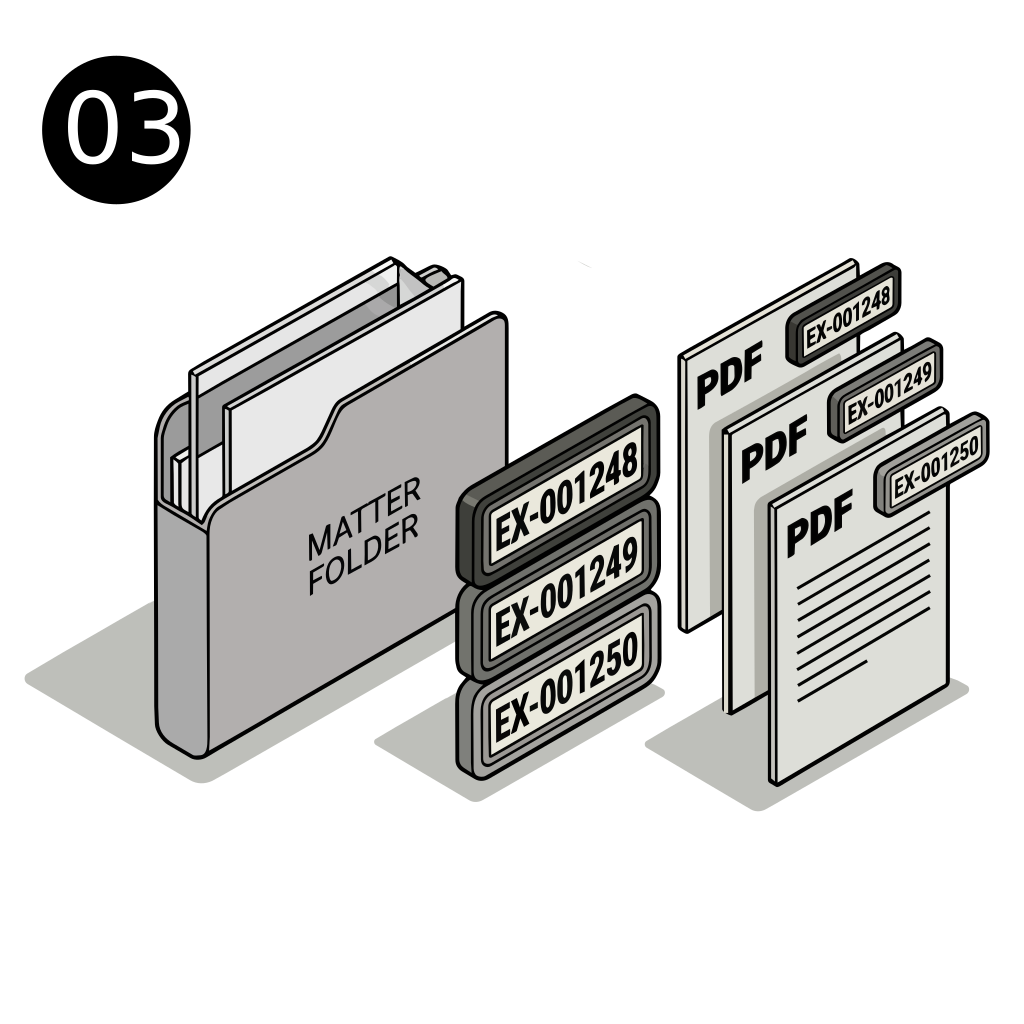
ESPro positions legal document automation around exhibit operations. It automates repeatable actions such as numbering consistency, labeling standards, and stamp application across PDF sets. The platform is designed for litigation support workflows rather than generic legal document scenarios.
This focused approach improves throughput while preserving control. Teams can set operational rules, process batches quickly, and keep attorney review in the loop for final decisions. The result is practical automation that reduces rework and supports cleaner deposition and trial preparation.
By narrowing the automation scope to exhibit preparation, ESPro avoids feature sprawl that can complicate adoption. Teams implement the platform quickly, realize immediate time savings, and build repeatable habits around the work that most directly affects litigation deadlines. This practical focus improves long-term usage because users can see direct operational impact in daily preparation cycles rather than abstract workflow metrics.
In short, ESPro turns legal document automation into a concrete operational advantage for exhibit teams. It improves execution quality, shortens cycle times, and preserves the attorney oversight needed for high-stakes litigation deliverables.
What exhibit-focused automation means
Exhibit-focused automation targets the repetitive production layer of litigation prep. Instead of automating legal reasoning, it automates mechanical tasks that are essential but time-consuming: applying labels, managing numbering, and preparing uniform exports.
This distinction matters because it keeps humans in charge of strategy while improving operational reliability. Teams can produce cleaner work product faster without treating litigation prep as a one-size-fits-all document workflow.
When automation aligns with actual exhibit operations, adoption improves across roles. Staff can quickly understand where the tool fits, what it standardizes, and where attorney judgment remains essential. That clarity makes process change easier to sustain.
Where generic legal automation falls short
Many automation products optimize for document assembly templates, approvals, or intake forms. Those capabilities can be useful, but they do not solve exhibit preparation pain points where consistency and high-volume PDF handling are central. Teams still end up doing manual finishing work.
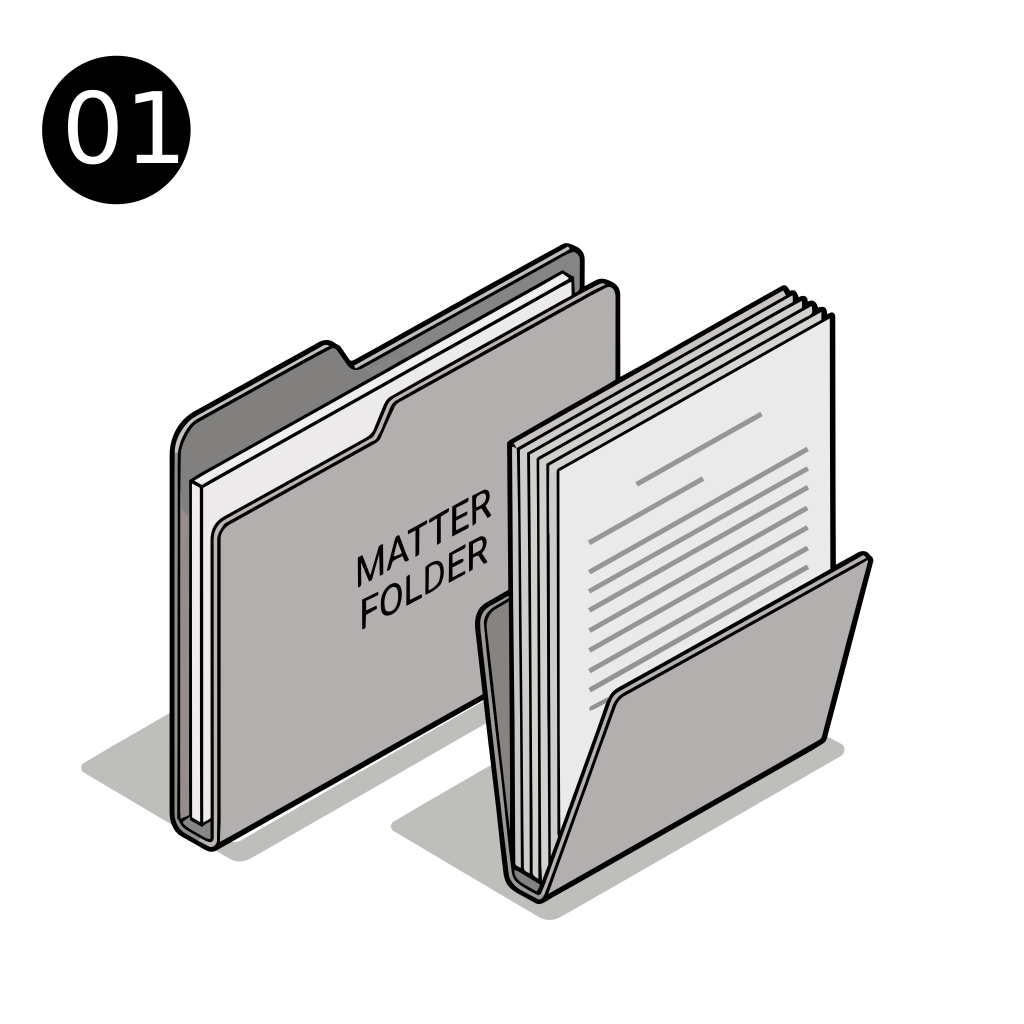
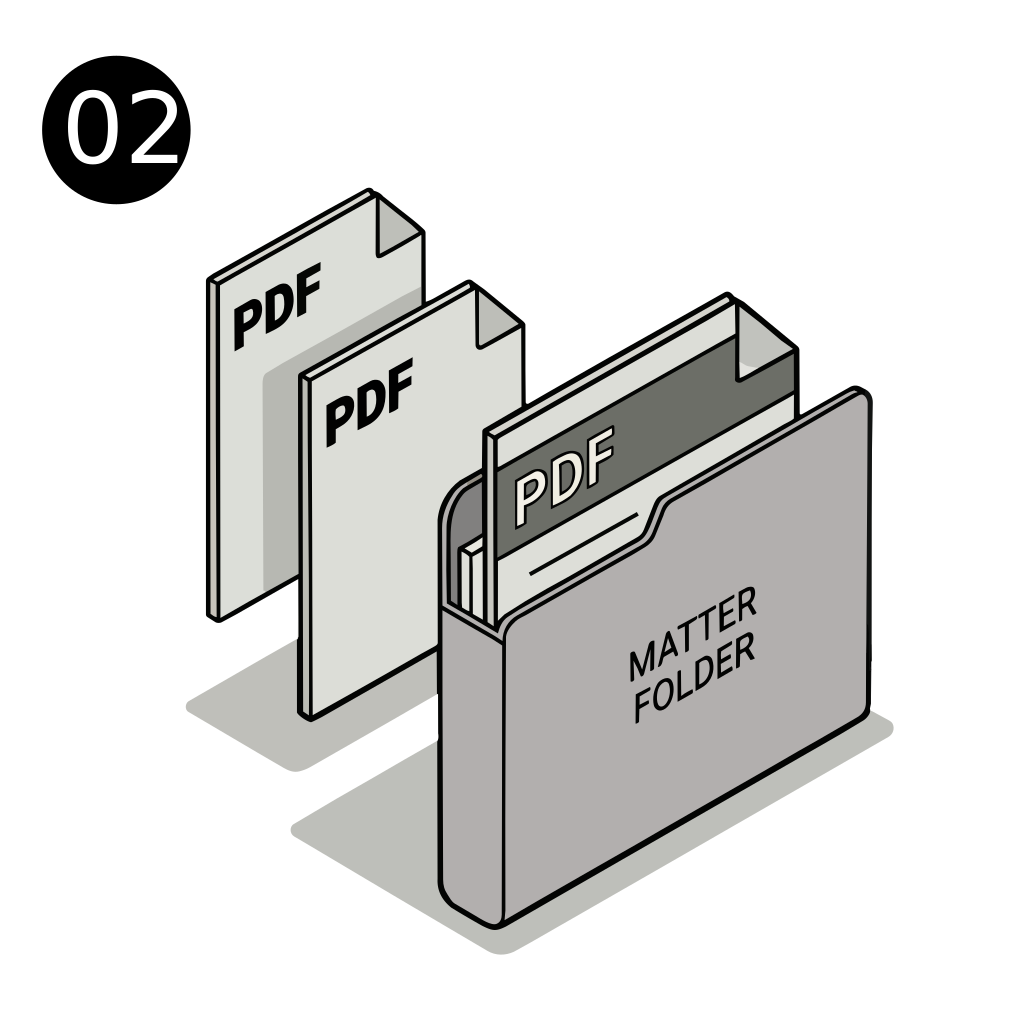
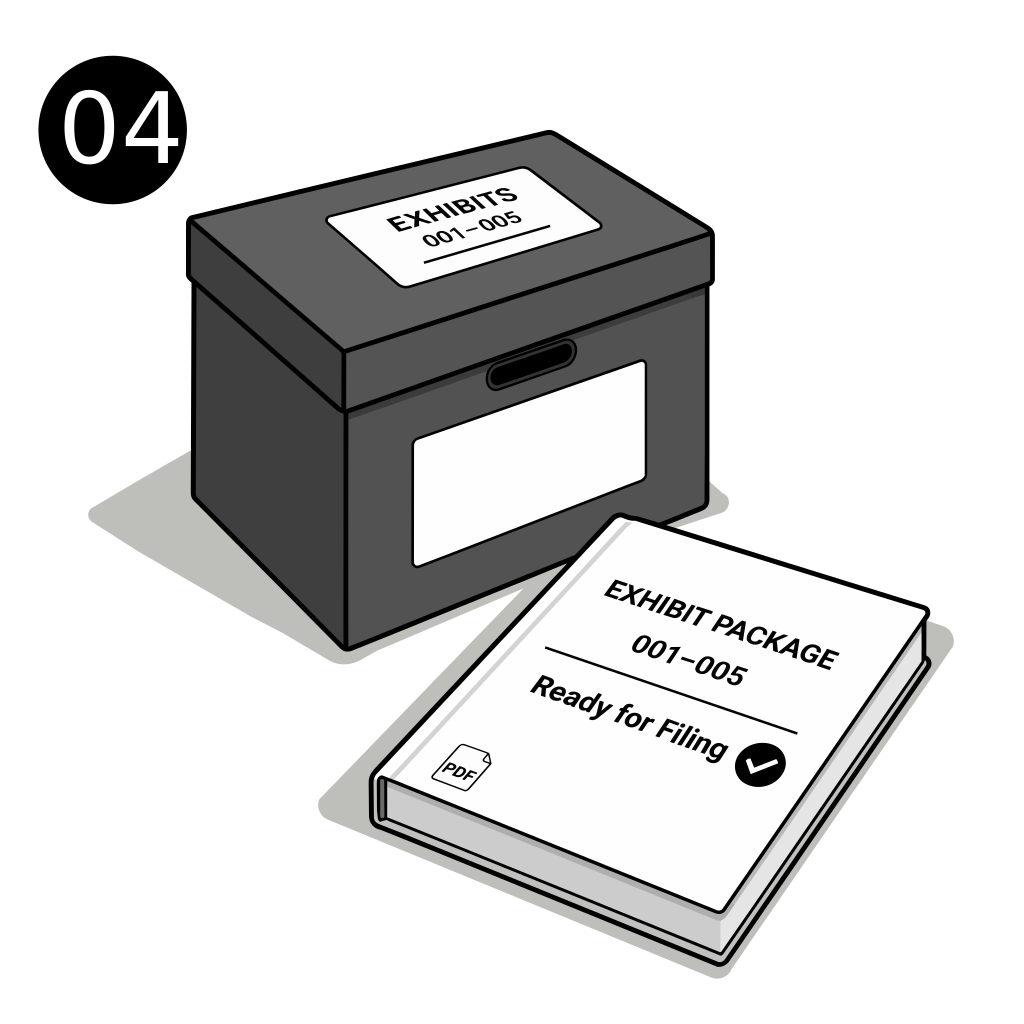
ESPro addresses that gap by focusing on the exhibit lifecycle itself. It helps litigation support professionals move from document collection to ready-to-review packages through standardized, repeatable steps.
This focus is particularly valuable for teams that support multiple active matters simultaneously. Rather than adapting generic tools for every case, they can rely on a workflow that already mirrors litigation prep demands and timeline pressures.
Operational gains for litigation support teams
Automating exhibit prep tasks reduces cycle time and lowers error exposure in deadline-driven environments. Teams can complete more work with the same resources because they spend less effort on repetitive formatting and corrective cleanup.
The workflow also improves consistency across personnel changes. New staff can follow established processes more easily, reducing dependence on tribal knowledge and improving continuity across long-running matters.
Operational metrics improve as well. Managers can estimate completion windows more accurately, prioritize urgent matters with less guesswork, and communicate status to attorneys in concrete terms. This level of predictability is difficult to achieve with ad hoc manual execution.
Implementing automation without disrupting legal teams
Adoption succeeds when automation complements existing legal workflows instead of replacing them wholesale. Teams can introduce exhibit-focused automation in phases, starting with the most repetitive tasks and expanding as users gain confidence. This reduces change fatigue and accelerates practical value.
Clear role definitions are essential during rollout. Litigation support professionals manage operational settings, while attorneys retain authority over legal judgment and final approvals. When responsibilities are explicit, automation strengthens collaboration rather than creating uncertainty about ownership.
Measured implementation also enables continuous improvement. Teams can review turnaround data, identify bottlenecks, and refine processes incrementally. Over time, exhibit preparation becomes both faster and more consistent without sacrificing the legal oversight required for high-stakes matters.
Automation can standardize preparation, but compliance obligations still depend on jurisdiction, matter type, and attorney instruction. Teams should incorporate legal review checkpoints before final filing or presentation decisions.
NOTE: Verify applicable court and procedural requirements with qualified legal counsel prior to submission. ESPro supports exhibit operations and quality consistency; counsel determines legal sufficiency for each matter.
Embedding this review into the automation workflow ensures speed does not bypass legal scrutiny. Teams can benefit from operational efficiencies while preserving the governance needed for high-stakes legal submissions.
Benefits
Why teams choose ESPro
Automation tailored to exhibit preparation needs
Less manual formatting and repetitive PDF editing
Consistent output across matters and contributors
Faster turnaround for deposition and trial deadlines
Clear workflow separation between automation and legal review
No. ESPro is intentionally focused on exhibit preparation workflows, including numbering, labeling, stamping, and export processes.
Can we still use other legal tools alongside ESPro?
Yes. Many teams use ESPro as the exhibit preparation layer while keeping their existing case management and document systems.
What part of the workflow does ESPro automate?
It automates repeatable exhibit prep tasks, helping teams reduce manual formatting work and improve consistency across large document sets.
Does automation remove the need for legal judgment?
No. ESPro supports operational execution, while attorneys and legal teams remain responsible for strategic and compliance decisions.
Is this useful for both deposition and trial stages?
Yes. Teams use ESPro throughout the litigation timeline to maintain continuity from deposition prep through trial package assembly.
Try ESPro in the research program
Join litigation teams testing automated exhibit stamping, numbering, and package export. 7-day sandbox access — help shape the product while improving your workflow.